The transition to a fully digital workflow is no longer a luxury for high-end boutiques.
In 2026, it is the primary driver of practice profitability, case acceptance, and clinical precision.
Whether you are looking to bring restorations in-house or upgrade your diagnostic capabilities, understanding the synergy between these tools is vital.
Intraoral Scanners: The Gateway to Digital Success
The real value of an intraoral scanner (IOS) isn't just "no more messy impressions."
It’s about patient communication and immediate visual validation.
- Boost Case Acceptance: Showing a patient a high-definition 3D model of their own dentition makes "needs" feel like "realities."
- Workflow Speed: Digital files reach your lab or in-house printer in seconds, not days.
- Accuracy: Eliminate the margin of error inherent in traditional stone models and PVS materials.
Explore our Intraoral Scanners designed for seamless digital integration.
3D Printing and Milling: Same-Day Dentistry is the New Standard
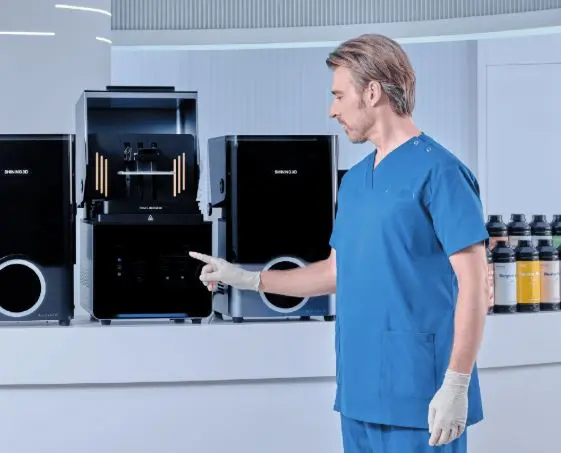 If you aren't producing in-office, you are leaving significant revenue on the table.
The ROI comes from slashing lab bills and reducing the "two-visit" churn that kills your schedule efficiency.
- Milling Units: Perfect for high-strength zirconia or ceramic crowns while the patient waits.
- 3D Printers: Ideal for surgical guides, night guards, and models at a fraction of the cost of outsourcing.
- Revenue Retention: Keeping these procedures in-house can save a practice 40–60% per case in lab fees.
Explore our 3D Printers designed for high-precision digital integration.
CBCT and 3D Imaging: Predictability in Every Procedure
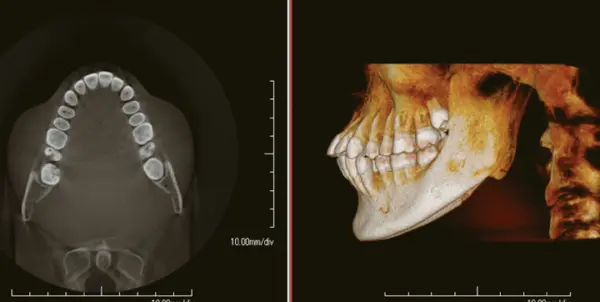
Cone Beam Computed Tomography (CBCT) has revolutionized implantology and endodontics.
The ability to see bone density, nerve pathways, and root morphology in 3D eliminates the guesswork of 2D X-rays.
- Surgical Precision: Use CBCT data to create 3D-printed surgical guides for 100% predictable implant placement.
- Enhanced Diagnostics: Detect pathology or fractures that are invisible on a standard bitewing.
- Patient Safety: Modern units, like those from Vatech or Carestream, offer "Low Dose" modes that provide superior clarity with minimal exposure.
View our full inventory of Cone Beam (CBCT) and 3D Imaging systems.
Building a Digital Practice Without Overspending
One of the biggest mistakes we see is trying to do everything at once.
The most successful practices take a phased approach to protect their cash flow while upgrading.
- Phase 1: Start with a Scanner. This gives you immediate efficiency gains and opens the door to digital workflows without a massive capital layout.
- Phase 2: Add CBCT. Once your digital impressions are fluid, add 3D imaging to diagnose and plan at a higher level—especially for high-margin implant cases.
- Phase 3: Bring Production In-House. Add 3D printing or milling based on your specific procedure mix (e.g., night guards vs. crowns).
This approach keeps your investment manageable while steadily moving you toward a fully digital, high-profit practice.
The Profitability Play: Why Buy Refurbished?
 Investing in a "Digital Trifecta" (Scanner + Printer + CBCT) can be a heavy capital lift.
Here’s what actually matters: You don't need "brand new" to get "state-of-the-art."
Buying certified refurbished digital equipment allows you to:
- Incorporate Section 179 tax deductions immediately.
- Lower your break-even point by months (or years).
- Access Tier-1 brands like A-dec or Planmeca at a fraction of the MSRP.
Check out our All X-Ray Equipment category for certified refurbished deals.
Frequently Asked Questions
1. Is the learning curve for 3D printing too steep for my staff? Modern 3D printers and AI-driven software have automated much of the process. With professional integration, most assistants can master the workflow in a few days, allowing the dentist to focus on clinical work.
2. Can I integrate a new scanner with my existing dental chair setup? Yes. Most intraoral scanners are "open architecture," meaning they work with your current PC and can be easily moved between operatories or integrated into your existing delivery systems.
3. What is the typical ROI for adding CBCT to a general practice? Practices that add CBCT often see a return on investment within 12–18 months. This is driven by an increase in high-value procedures like implants and sleep apnea treatments that were previously referred out.
Ready to Modernize Your Practice?
Navigating the digital landscape can be overwhelming, but you don't have to do it alone. Whether you're looking for a single sensor or a full digital suite, our team helps you find the right equipment to fit your clinical goals and your budget.
Reach out today to discuss your practice's digital roadmap.
No pressure. Just straight answers.
Your Guide to Digital Dental Equipment: Maximize ROI with Scanners, 3D Printing, & CBCT