Nitrous oxide has been around for a long time in dentistry. It’s known for calming anxious patients, helping them get through procedures without fear or pain. Some people think it might be outdated or bad for the environment. But the truth is, nitrous is still a key part of dental care in 2025. In fact, it’s better, safer, and more advanced than ever.
This article breaks down what’s changed, what hasn’t, and why nitrous oxide still matters, especially for dentists and dental buyers looking for smart solutions that actually work.
Why Nitrous Still Matters for Patients
Dental anxiety is real. About half of adults say they feel nervous about going to the dentist. Some avoid treatment altogether. That’s where nitrous oxide helps.
It works fast, usually within a few minutes. It wears off quickly too, so patients can drive themselves home. That’s why it’s a go-to option for kids, anxious adults, and patients with special needs. There’s no IV, no pills, and no grogginess hours later.
Offering nitrous can also help dentists do more in a single visit. When patients are calm, they’re more likely to follow through with treatment. It’s better for them, and it helps the practice run more smoothly.
New Tech Is Making Nitrous Smarter
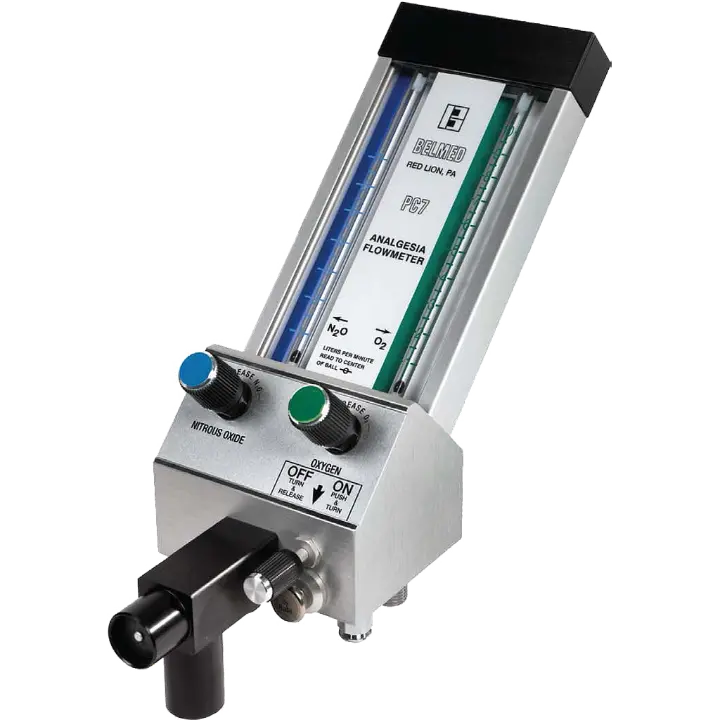 A lot has changed in nitrous delivery systems. Today’s equipment is more advanced and easier to use than older models.
Some of the upgrades include:
- Digital flowmeters with touchscreen controls
- Automatic oxygen fail-safes that prevent errors
- Programmable settings for returning patients
- Sealed breathing circuits that reduce contamination risk
- Compact designs that take up less space and look less intimidating
Hygiene matters too. Many newer systems offer disposable nasal masks and autoclavable components, so infection control is easier. And whether a practice uses centralized lines or portable nitrous tanks, the latest systems are designed for efficiency and safety.
If you’re running a multi-op practice or managing a DSO, equipment that’s smart, reliable, and consistent across locations makes a big difference.
Safety Is Still Priority #1
Even though nitrous is considered low-risk, safety protocols still matter, especially when you’re treating patients all day or across multiple operatories.
Here’s what top practices are doing:
- Using scavenging systems to remove excess gas and protect staff
- Installing oxygen fail-safes that prevent over-sedation
- Running regular leak checks on tubing and valves
- Training every team member on how to use the system properly
- Following state and federal rules for sedation and ventilation
Our equipment technicians even suggest doing simple leak checks using soap and water around valves. It’s a small step that helps avoid slow leaks and long-term staff exposure.
Nitrous is safe—but only when it’s used with care and maintained the right way.
Environmental Impact: A New Part of the Conversation
Nitrous oxide has a hidden downside: it’s a powerful greenhouse gas. Compared to CO₂, it traps nearly 300 times more heat over 100 years. That’s led some hospitals and institutions to rethink their use of nitrous altogether.
So what can dental offices do?
- Turn off tanks when not in use
- Fix leaks fast
- Switch to newer systems that waste less gas
- Track gas usage to compare how much is actually being used on patients
No one’s saying we need to stop using nitrous. But we should use it responsibly. That means upgrading old systems and making sure everyone on the team knows how to reduce waste.
Eco-conscious dentistry is becoming a bigger deal. Practices that show awareness and action on these issues earn trust from both patients and peers.
It’s Also a Smart Business Decision
Nitrous isn’t just good for patients - it makes business sense too.
Let’s keep it simple:
- The gas is cheap, especially when you buy in bulk.
- It’s billable. Most practices charge a sedation fee of $75–$150 per visit.
- It helps fill chairs. Anxious patients who would otherwise cancel are more likely to go through with care.
- It saves time. Less fear means faster treatment and fewer repeat visits for the same issue.
For DSOs, the benefit scales. Standardizing nitrous use across multiple offices can improve patient satisfaction system-wide. It also lets you offer sedation without jumping into more complex IV setups.
Final Takeaway
In 2025, nitrous oxide isn’t going away. It’s safer than ever. The tech has improved. And it’s still one of the most trusted, effective tools for calming patients and getting treatment done right.
If you haven’t looked at your sedation setup in a while, now’s the time. Whether you’re upgrading a system, training your team, or just getting started, today’s nitrous solutions are smarter and more efficient than ever.
Not sure which nitrous system fits your practice?
Our equipment specialists can help you choose the right setup for your team and budget.
Frequently Asked Questions
1. Is nitrous oxide safe for everyday use in a busy dental office?
Yes. When used with the right scavenging and monitoring systems, nitrous is very safe. It’s considered minimal sedation, and it’s fast-acting with quick recovery.
2. What’s the difference between plumbed and portable nitrous systems?
Plumbed systems are built into the office and work well for frequent use. Portable units are mobile and easier to set up in smaller practices or rooms without gas lines. Both can be safe and effective if maintained properly.
3. Can hygienists or assistants administer nitrous oxide?
It depends on your state. Some states allow trained hygienists or assistants to administer nitrous under supervision. Always check local regulations and make sure staff is properly certified.
4. What should I look for in a new nitrous system?
Look for digital flow control, built-in safety features, easy-to-clean components, and a reliable scavenging setup. Some newer models also offer presets for patients and integration with your current dental software.
5. Is nitrous oxide bad for the environment?
It can be if it’s misused or leaks often. But when used responsibly, with regular maintenance and proper shutoff, its impact can be reduced. Many dental offices are taking steps to make their nitrous use more sustainable.
Nitrous Oxide in 2025: Safer, Smarter, and Still Essential for Dental Care